
Solutions · Farm IoT and software
IoT Integration and Full-Cycle Smart Agriculture Solution
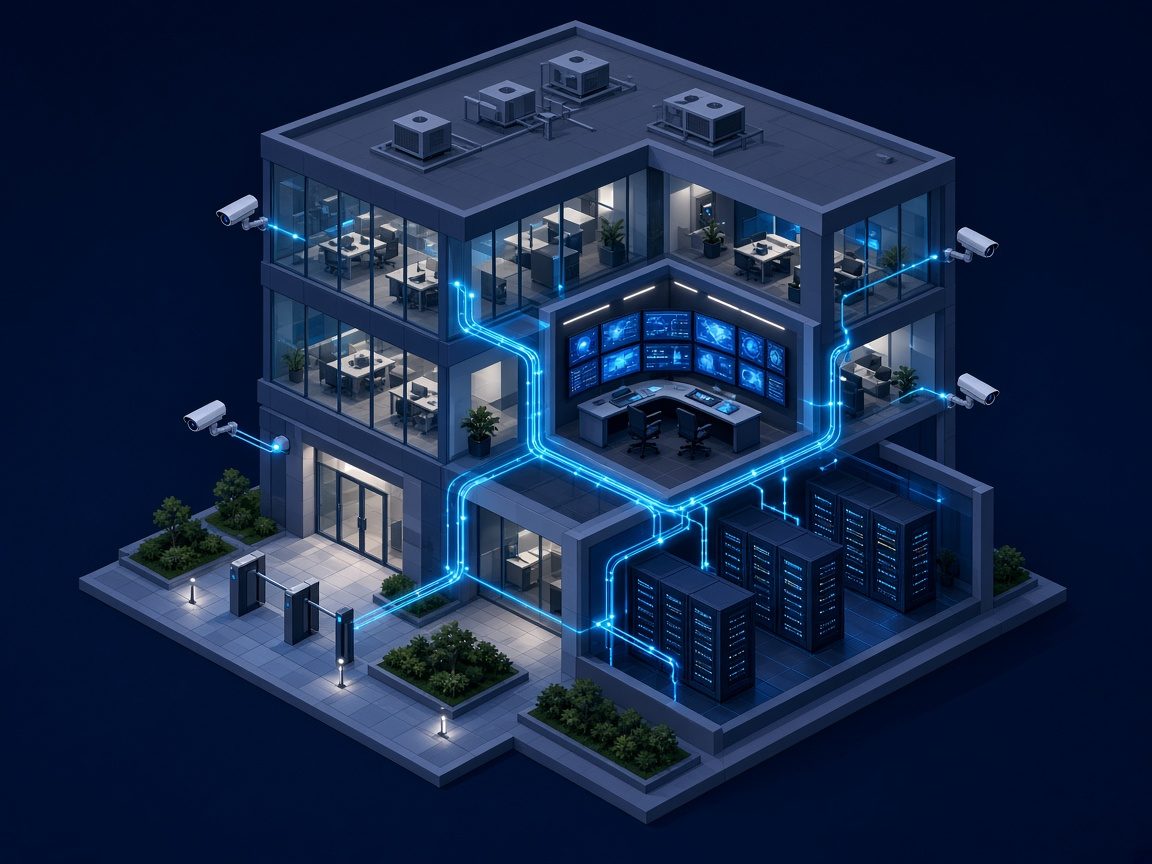
Cloud–pipe–edge architecture: sensing, control, field monitoring, and traceability
 Illustration
Summary
Reliable smart agriculture is a closed loop of sensors, cabinets, fertigation actuators, and software. The architecture is:
- Cloud: a digital operations platform for crop models, dashboards, and traceability
- Pipe: control logic and multi-device remote management
- Edge: climate and crop sensors, weather stations, cameras, and actuators
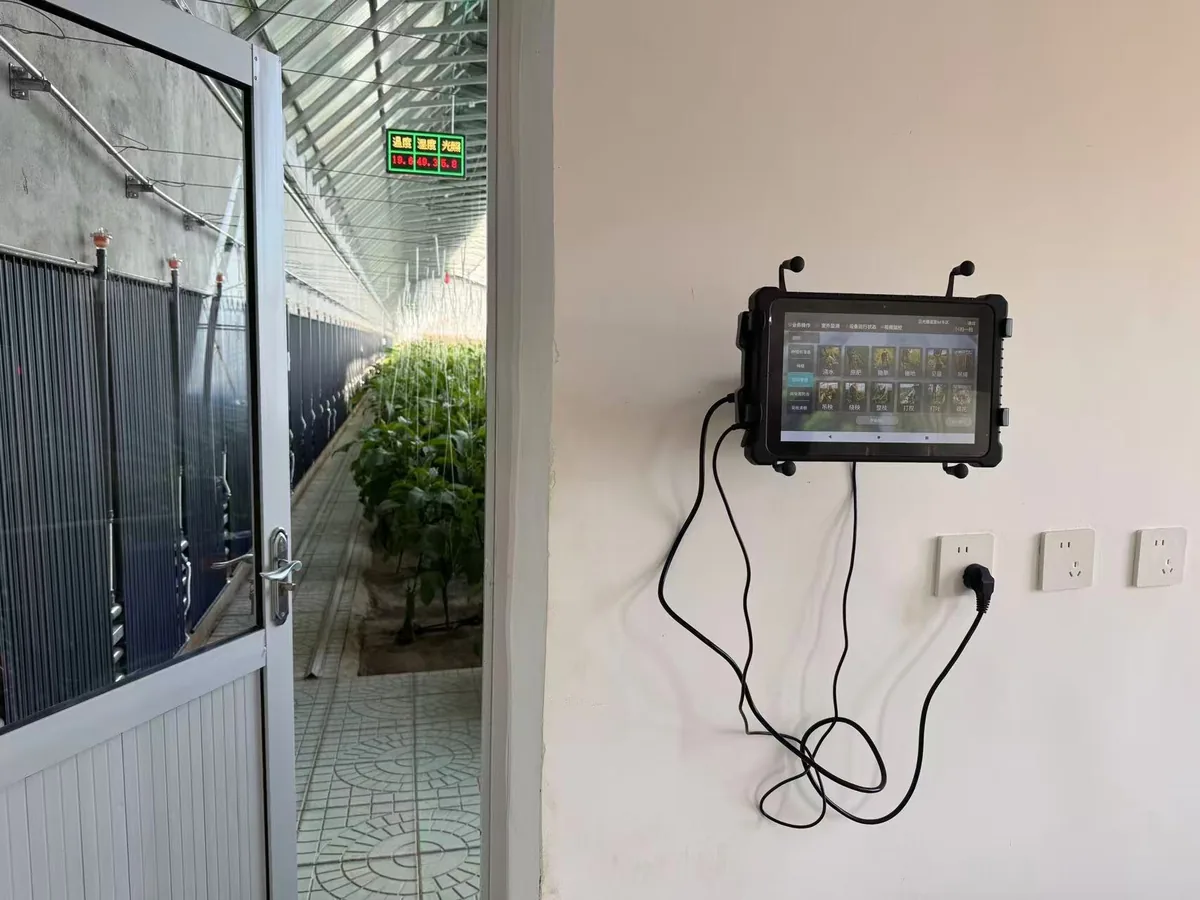
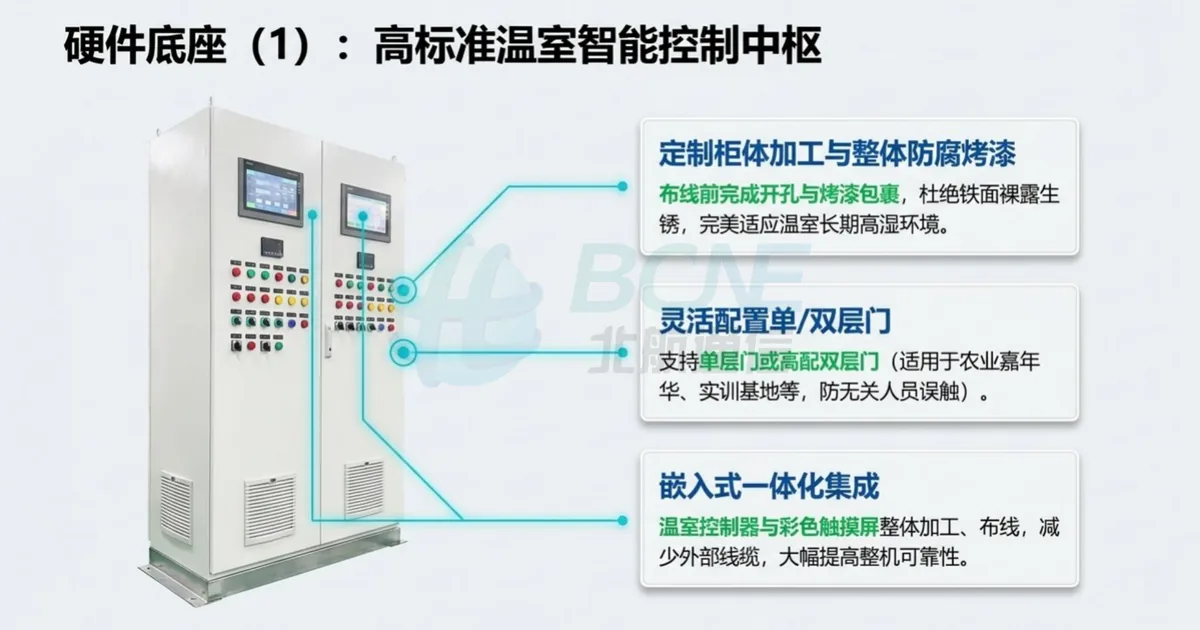
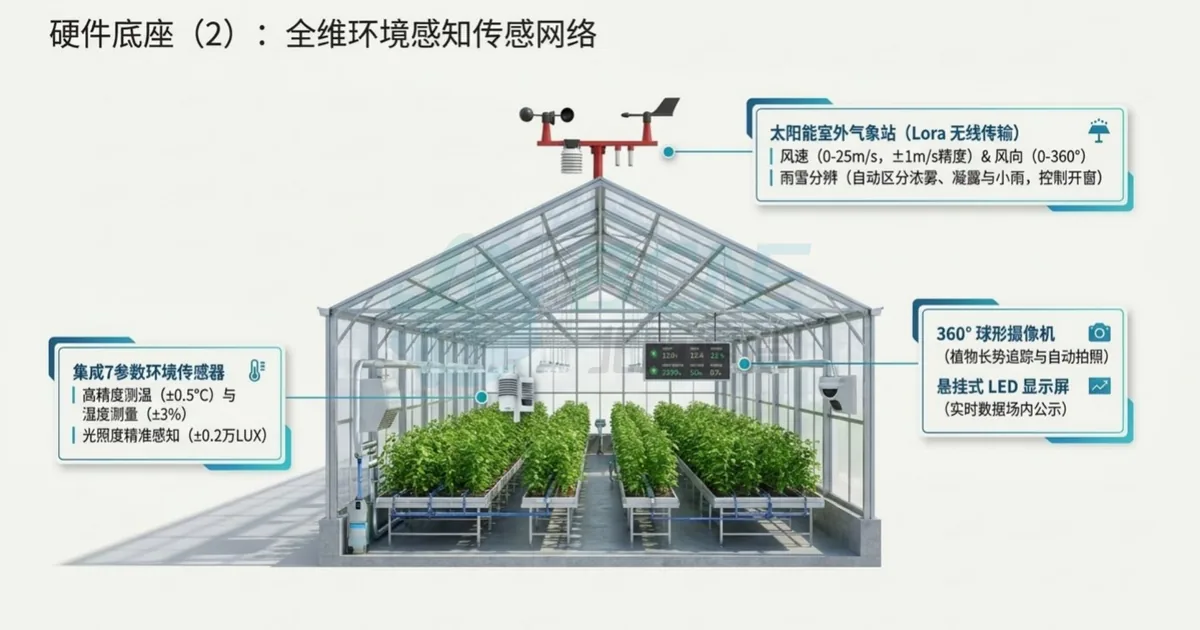
Cabinets are finished for humid houses and can use a single door or a double door that reduces casual touching in visitor or training settings. The sensor set includes a solar weather station (LoRa in the example), in-house temperature, humidity and light, and cameras for growth records. The software narrative covers a “greenhouse in the cloud” wall, alerts, 3D/VR viewing, and an expert-service interface. In open fields the same stack extends to weather, soil, crop, and pest/disease monitoring. Access is split between a PC environment for operators and researchers and a simpler mobile environment for field staff. Traceability runs from the planting plan to a consumer-facing QR certificate. This page does not list client names or specific headcount figures. Registered capital matches the Facts page: RMB 32.2 million.
Where It Fits
- Solar or Venlo houses moving from simple on/off control to a climate and fertigation loop
- Sites that welcome visitors or trainees and need to protect the cabinet
- Parks that also need weather, soil, pest, and video coverage in the field
- Operators who need role-based access, SMS/WeChat-style alerts, and produce traceability
Technical Highlights
- Cabinets: cut-outs and paint finished before wiring, to limit bare steel in humidity; single or double doors; controller and colour touchscreen integrated
 Illustration
- Solar weather station (LoRa): wind speed 0–25 m/s, ±1 m/s; wind direction 0–360°; rain/snow discrimination (fog, dew, and light rain) for vent control
- In-house sensing: temperature ±0.5°C, humidity ±3%; illuminance stated as ±0.2 × 10,000 lux
- 360° cameras for growth tracking; optional hanging LED status displays
- “60+ sensor types” as stated
 Illustration
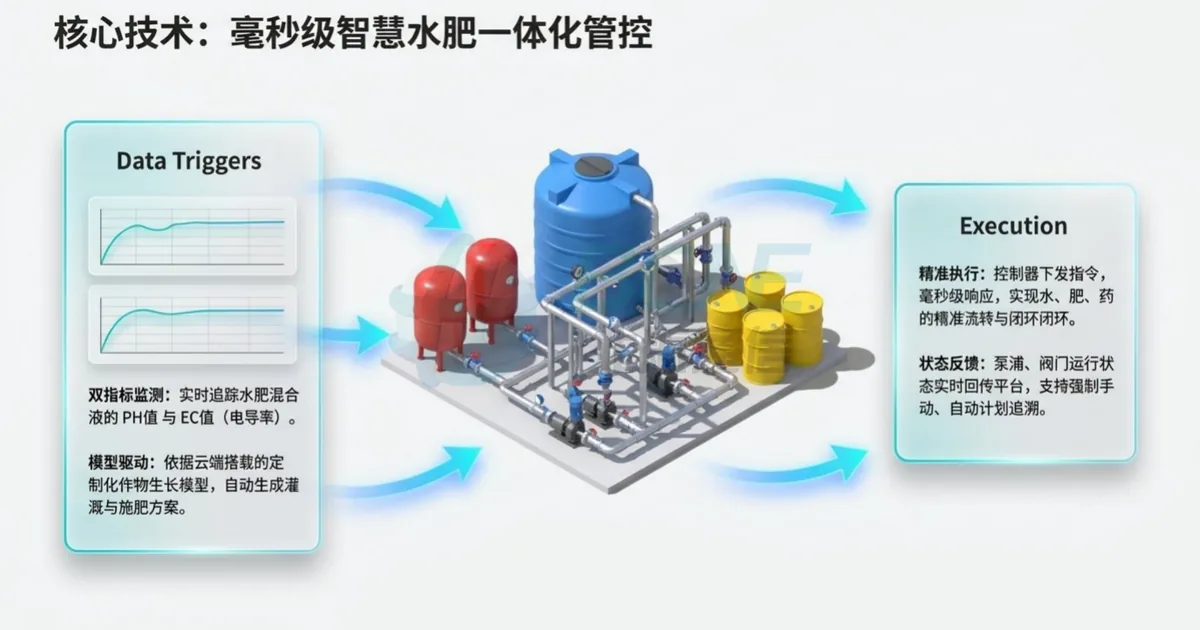
- Millisecond-class fertigation commands, with pH and EC on the mix, pump/valve feedback, and model-based plans
- Platform: park dashboard, image-based pest and disease cues linked to vents and lighting, 3D/VR viewing, expert-library interface
 Illustration
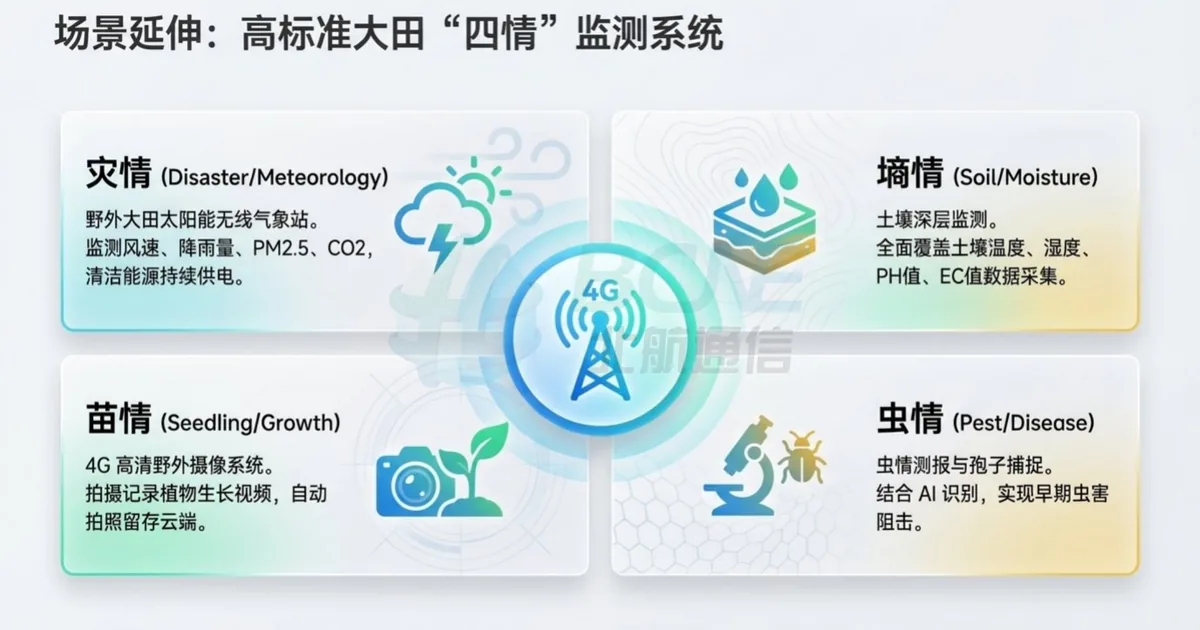
- Field “four conditions”: wireless weather (wind, rain, PM2.5, CO₂), soil temperature/moisture/pH/EC, 4G crop cameras, pest forecasting and spore capture
- Traceability in four steps: plan → bind growth data to a lot → issue trace and certificate codes → scan at the point of sale
- Targets stated in the proposal, not contract promises: 50% lower labour cost and more than 15% higher yield
 Illustration
How We Deliver
- 01ConsultationSite, scale, purpose and budget
- 02Site SurveyEngineers visit and check conditions
- 03Proposal & QuoteA practical plan and a clear quotation
- 04Build / DevelopDelivered to plan with regular progress updates
- 05CommissioningJoint testing, document handover, training
- 06Operation SupportContinued maintenance after handover
FAQ
Does “cloud–pipe–edge” mean everything must be in a public cloud?
The stack is layered; deployment can be localised for security.
Can the 50% and 15% figures go into a contract?
Not from the website. They are target statements in the proposal. Acceptance terms are agreed separately.
Will the cabinet survive a humid house?
The design addresses corrosion and integrated wiring.
Can we start with sensors and add the platform later?
A phased rollout is possible. Plan I/O, communications, and roles first to avoid rework.
Is traceability a blockchain?
The proposal refers to data being “chained” to a lot and to QR certificates.
How does this relate to the Smart Agriculture Management Platform brief?
This page is the full-cycle integration view. The platform brief goes deeper on the PC and in-house tablet product.
How do we get in touch or download the file?
The Web PDF is open; the high-resolution file needs a short form. info@bcne.com.cn, +86-22-58695656.
Download
The web version downloads directly. For the high-resolution version, please leave your name, phone and email first — the download starts right after you submit.
Ask About This Solution
Fields marked * are required. We reply within 1 working day.
✔ We reply to every inquiry within 1 working day.
This page introduces a solution and is not an offer. BCNE is not affiliated with Beihang University.