
Solutions · Facility-agriculture integration
PV-Powered Specialty Mushroom Smart Agri-Pod
A modular mushroom unit in a 40GP reefer container
 Illustration
Summary
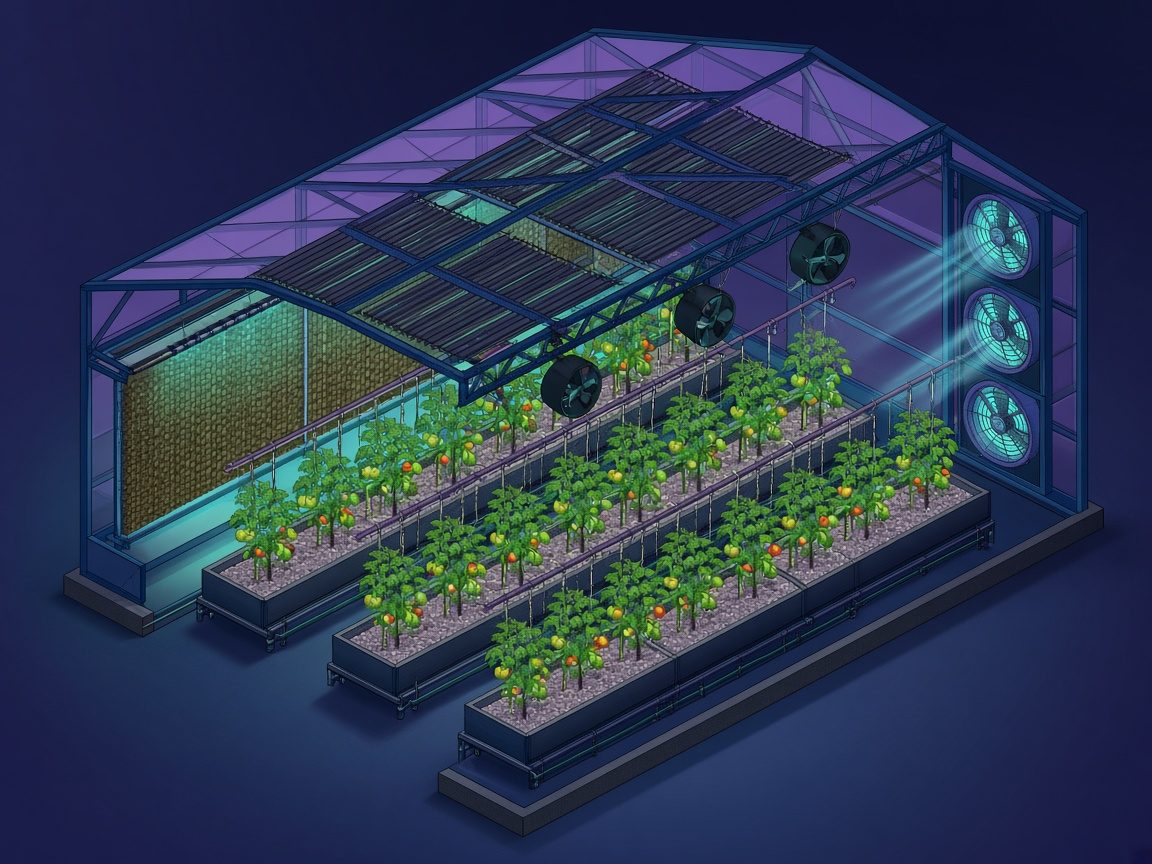
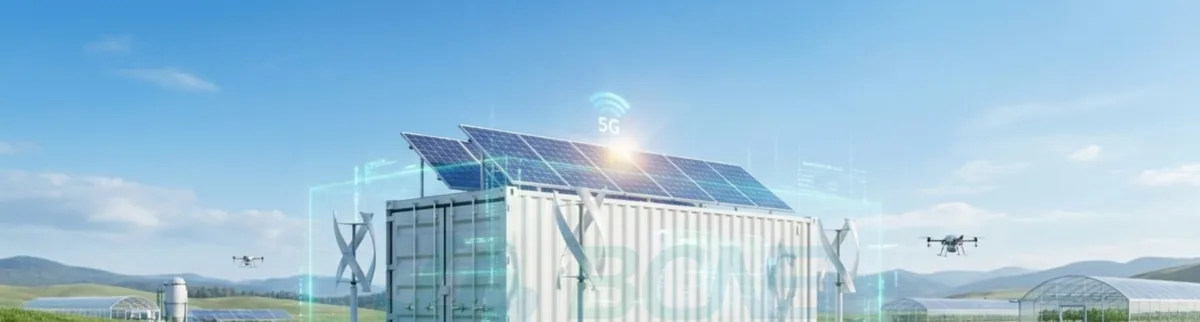
The Smart Agri-Pod is a modular mushroom unit built in a 40-foot high-cube reefer container, with optional rooftop PV and integrated lighting, temperature and humidity, fogging, ventilation, and water treatment. The aim is a shorter path to a controlled fruiting environment, and the ability to switch species with market demand. Single pods can be used for trials; multiple pods can be grouped. The economics slide uses one tariff assumption to illustrate capacity bands and daily power use. Citations on carbon and land use, and any claim of an academician-led centre, stay out of the public copy until they are verified.
 Illustration
Where It Fits
- Sites that need specialty-mushroom capacity quickly and cannot build a conventional mushroom house
- Parks combining distributed PV with indoor mushroom production
- Flexible production that rotates high-value species by season or order
- Farms or parks that may later add standard units (cluster size and investment are a separate discussion)
Technical Highlights
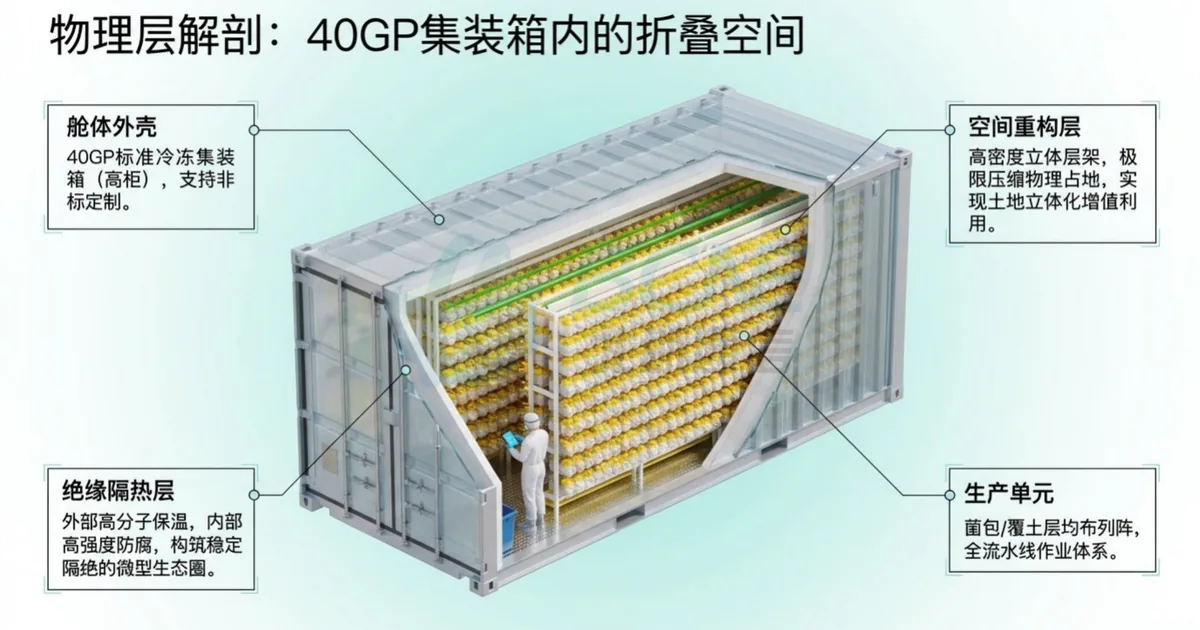
- Carrier: 40GP reefer container, optionally combined with rooftop PV
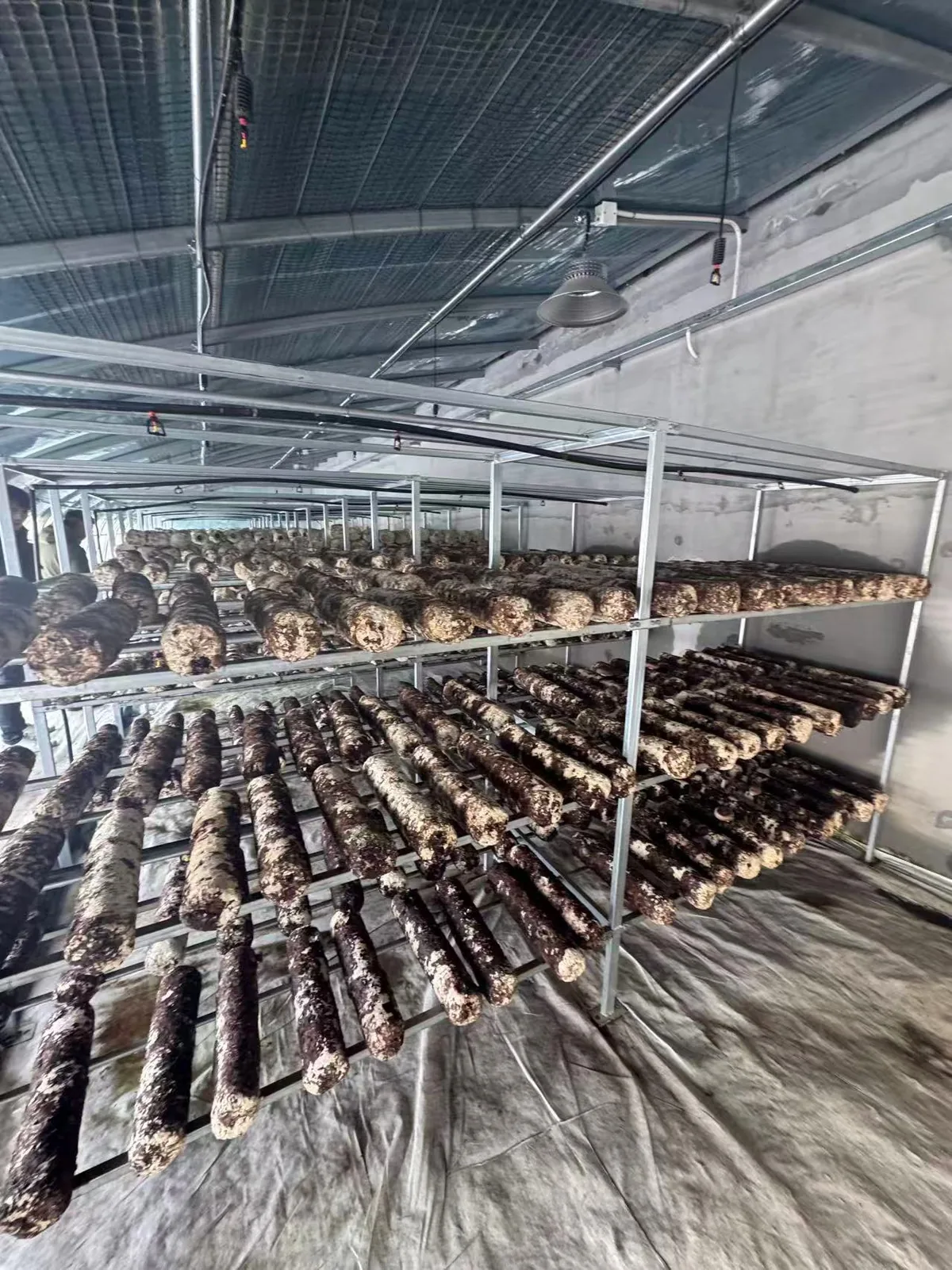
- Fruiting “in as little as seven days,” depending on species and bag condition — not a start-to-finish delivery time
 Illustration
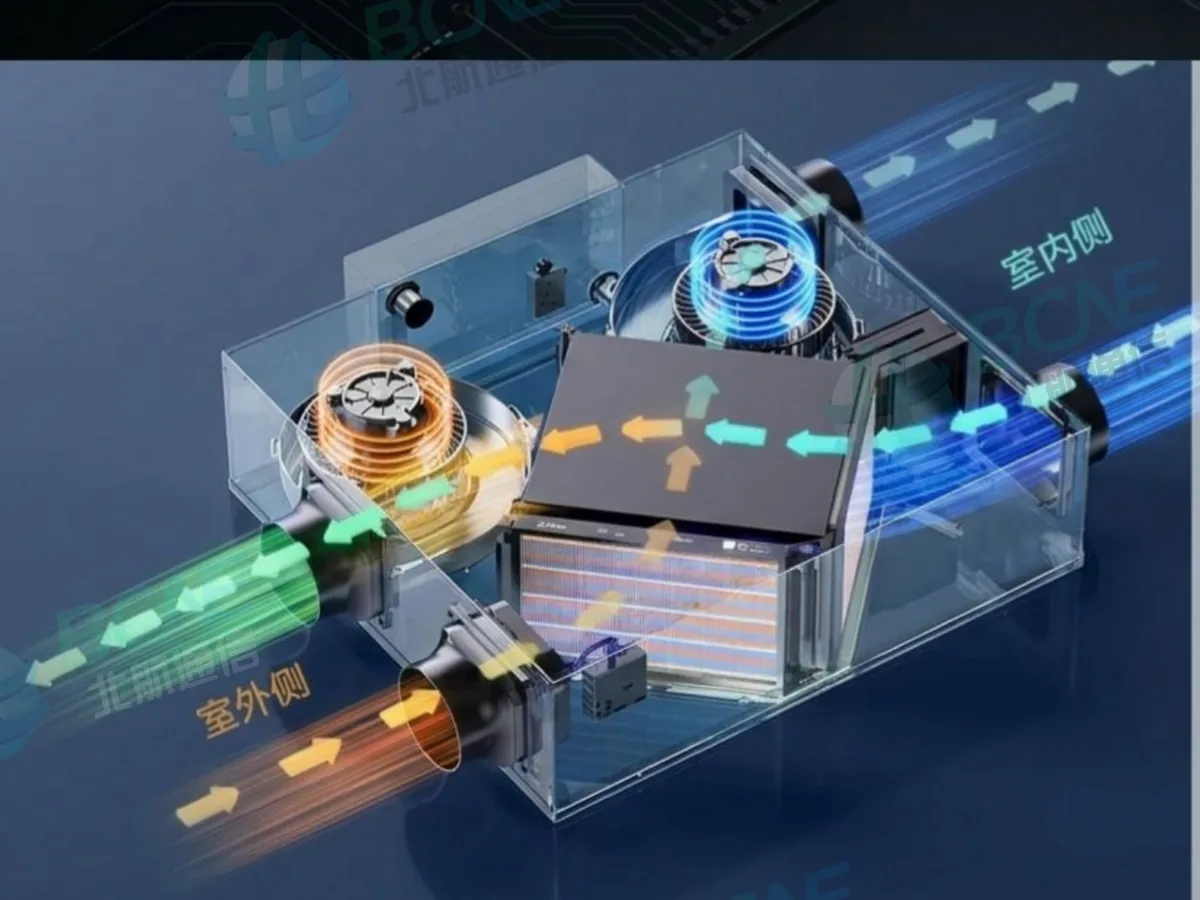
- IP65 LED lighting; 50 L tank with RO and UV; ultrasonic fogging; airflow stated at 0.1–0.3 m/s
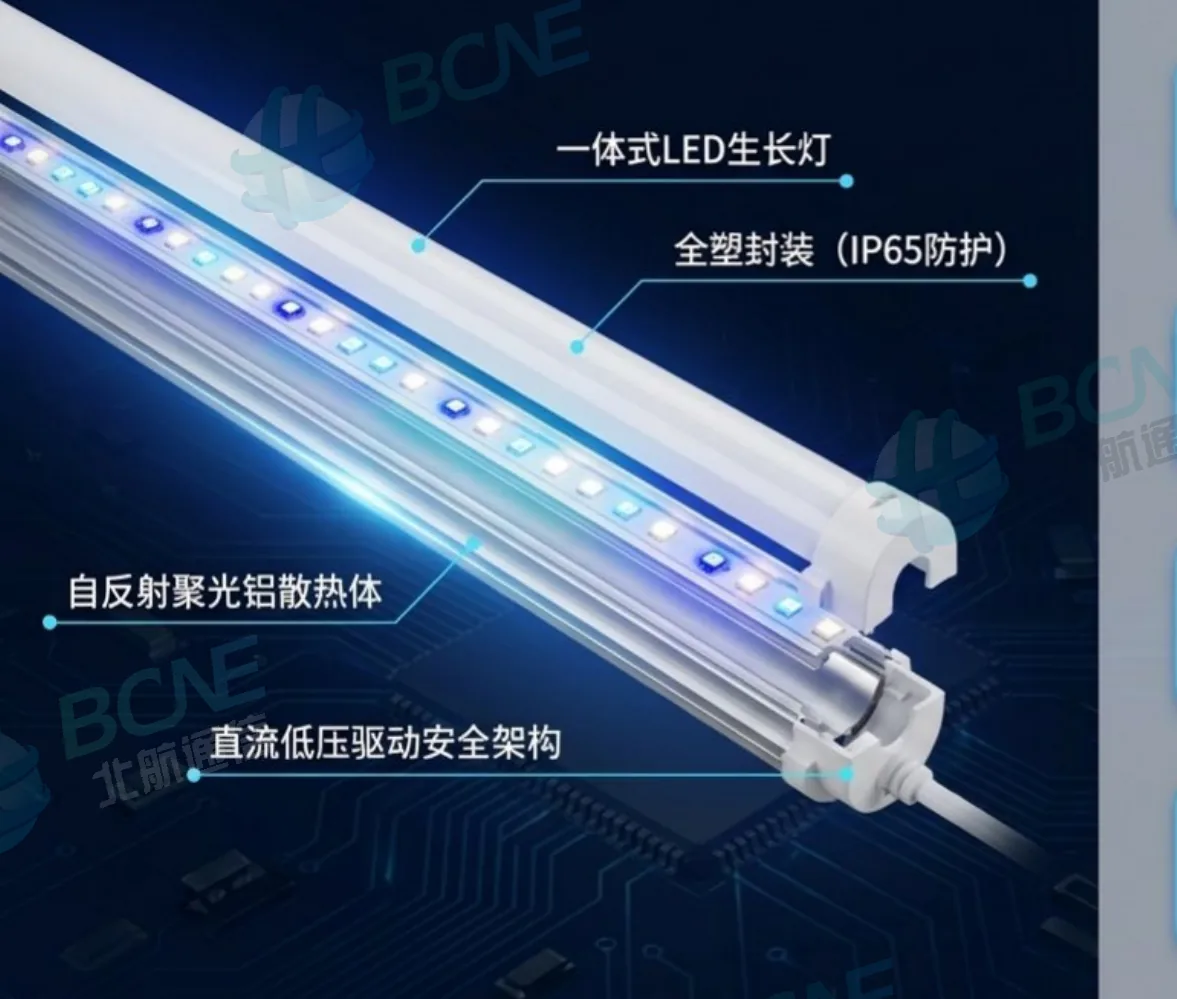 Illustration
- Energy use described as about 20–30% lower than a conventional approach, subject to configuration
Baseline reference in the proposal (always show with the tariff assumption)
The slide is labelled: 40GP container, agricultural tariff RMB 0.52/kWh.
| Method | Example crops in the PDF | Capacity estimate | Daily energy (reference) |
|---|---|---|---|
| High-density bag fruiting | Golden oyster, lion’s mane, golden ear, purple reishi | 3,200–5,000 bags | 50–60 kWh / RMB 26–31 |
| Bag or casing/soil methods | Zhutou (king tuber), black-skin termite mushroom, red-veil bamboo pith | 2,600–3,300 bags | 60 kWh / RMB 31 |
| Fermented-substrate beds | Red pine mushroom, morels | More than 90 m² | 50 kWh / RMB 26 |
These are baseline references, not a site-level return guarantee. Tariff, species, packing density, and climate will change the result.
 Illustration
How We Deliver
- 01ConsultationSite, scale, purpose and budget
- 02Site SurveyEngineers visit and check conditions
- 03Proposal & QuoteA practical plan and a clear quotation
- 04Build / DevelopDelivered to plan with regular progress updates
- 05CommissioningJoint testing, document handover, training
- 06Operation SupportContinued maintenance after handover
FAQ
How soon can a pod go into production?
A converted container is usually faster than a civil mushroom house. “Fruiting in seven days” is an environmental timeline, not an order-to-production timeline.
Is PV mandatory?
The brief leads with PV plus the pod. If interconnection or mounting is not ready, the climate module can be discussed first.
Are the 60% and 25% figures BCNE measurements?
No. The PDF presents them as findings of named research institutes. They must be verified before use and must not be described as audited BCNE results.
Can you guarantee a “cup of coffee” daily power cost?
No. The RMB 26–31 figure is a baseline at RMB 0.52/kWh.
Which species can we grow?
The PDF lists the high-value examples above.
How does a multi-pod site work?
Clustering is discussed in the brief. Land, capital, and operating roles are a commercial workstream; this page does not preset a unit count.
How do we obtain drawings and a configuration list?
Download the Web PDF, or request the high-resolution file. Contact info@bcne.com.cn or +86-22-58695656.
Download
The web version downloads directly. For the high-resolution version, please leave your name, phone and email first — the download starts right after you submit.
Ask About This Solution
Fields marked * are required. We reply within 1 working day.
✔ We reply to every inquiry within 1 working day.
This page introduces a solution and is not an offer. BCNE is not affiliated with Beihang University.